Get to know yourself well enough to know which way to plant your feet!





Backyard Student's Educational Gardening Services
1. Personal Backyard Garden Assessment
Understanding the student's available space
Identifying sunlight patterns throughout the day
Evaluating soil conditions
Understanding drainage and water flow
Learning what already grows naturally in the space
Identifying challenges and opportunities in the yard
Creating a realistic garden plan based on the student's goals
2. Garden Planning & Design Education
Learning how to design a productive backyard garden
Choosing the right location for different plants
Planning garden beds, containers, vertical gardens, and small spaces
Understanding companion planting
Planning for pollinators and beneficial insects
Creating seasonal planting schedules
Designing gardens for beginners, families, seniors, and accessibility needs
3. Soil Education & Preparation
Understanding what soil is and why it matters
Learning how to test soil
Improving soil naturally
Composting education
Building healthy living soil
Understanding nutrients plants need
Learning the relationship between soil, plants, and human health
4. Water Knowledge & Garden Sustainability
Understanding your water source
Learning how much water different plants need
Proper watering techniques
Rainwater collection education
Preventing water waste
Understanding drought-resistant gardening
Creating gardens suited to local conditions
5. Seed Education
Understanding different types of seeds
Choosing seeds for your location and growing goals
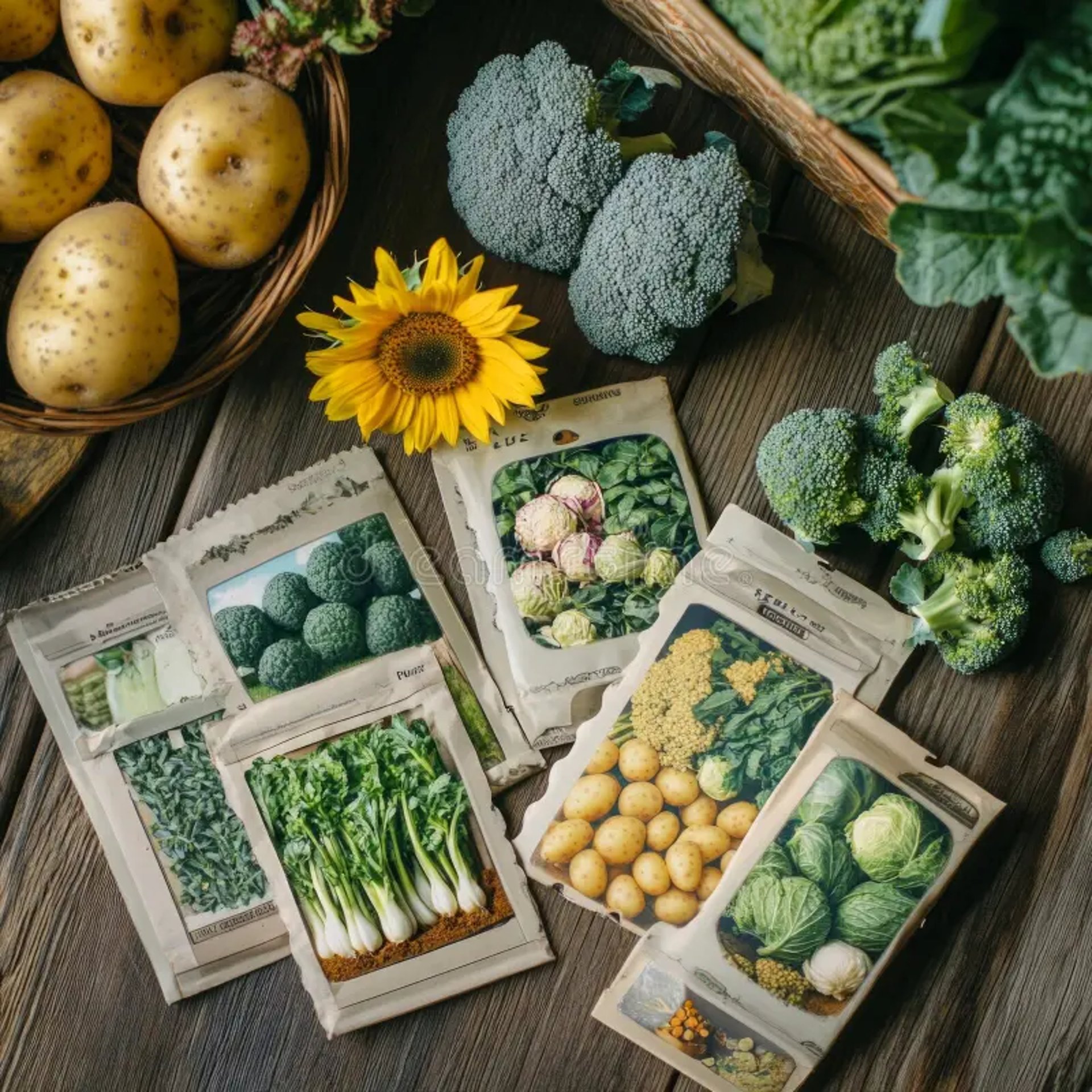
Reading seed packages
Creating personal seed lists
Understanding seed starting timelines
Seed storage education
Seed sharing and seed saving practices
6. Plant-by-Plant Education
Each plant becomes a lesson:
Students learn:
How to grow it
When to plant it
Where it grows best
How much water it needs
What soil it prefers
Common challenges
How to harvest it
How to store it
How to save seeds
How it contributes to health and nutrition
How to prepare it for meals
7. Food Education
Helping students understand the food they grow:
Where food comes from
Nutritional value of garden plants
How plants support human health
Understanding fresh versus processed foods
Learning how herbs, vegetables, fruits, and edible flowers can be used
Seasonal eating education
Food appreciation and reducing waste
8. Weather & Seasonal Awareness
Teaching students how to work with nature:
Understanding local growing seasons
Reading weather patterns
Preparing gardens for changing conditions
Frost preparation
Heat protection
Storm preparation
Seasonal garden transitions
Understanding microclimates
9. Plant Care Skills
Students learn:
Planting techniques
Transplanting
Mulching
Pruning
Supporting plants
Identifying plant stress
Natural pest management
Disease prevention
Encouraging healthy ecosystems
10. Harvest Education
Learning what happens after growing:
Knowing when plants are ready to harvest
Harvesting techniques
Preserving freshness
Proper storage
Sharing harvests
Community food sharing
Planning future crops based on harvest results
11. Seed Saving & Future Gardening
Teaching students how gardens continue:
Selecting seeds from successful plants
Collecting and storing seeds
Understanding seed cycles
Creating a personal seed library
Sharing seeds with the community
Becoming independent gardeners
12. Online Garden Learning Platform
Students receive access to:
Educational videos we create with your gardens (optional)
Step-by-step lessons
Plant guides
Seasonal lessons
Gardening demonstrations
Downloadable resources
Garden planning tools
Community discussions
Expert gardener instruction
13. Garden Mentor Support
A unique feature of The Seed Plan model:
Students gain access to experienced gardeners who provide:
Guidance
Encouragement
Troubleshooting
Knowledge sharing
Real-life experience
Seasonal advice
Mentorship opportunities
14. Community Gardening Network
Students become part of a larger community:
Connecting beginner and experienced gardeners
Sharing successes and challenges
Seed exchanges
Harvest sharing
Community learning events
Local garden projects
Knowledge preservation between generations
15. Accessibility Garden Support
Through funding campaigns:
Helping restore neglected gardens
Supporting gardeners with disabilities
Creating accessible garden spaces
Adapting gardening methods for different abilities
Connecting volunteers and skilled gardeners with those needing assistance
16. Family & Youth Gardening Programs
Designed for children and families:
Teaching children where food comes from
Building confidence through growing
Nature education
Hands-on learning
Family garden projects
Encouraging curiosity and responsibility
17. Advanced Gardener Opportunities
For experienced gardeners:
Becoming paid mentors
Teaching specialized topics
Sharing regional knowledge
Supporting beginner gardeners
Participating in community projects
Preserving gardening traditions
The Core Promise to the Backyard Student:
“We help you transform your own backyard into a place of learning, nourishment, connection, and growth ~ starting wherever you are, with whatever knowledge you have to co-create magical spaces.”
This service list also reveals something important about The Seed Plan model: it is not just a gardening school. It is closer to a backyard garden education network and community mentorship program where you learn where your food comes from and you know how it's really grown organically to be self sufficient. That distinction may be useful when sharing with your friends and family!
The Seed Plan does not simply teach gardening ~ it is providing a complete backyard garden education experience. Below is a comprehensive list of services that a backyard student would receive.
Central Ontario Area
Barrie to Midland / Penetanguishene


www.starseed-studio-17.space
Contact Us ~ We Can Help You
Email: starseed.studio.17@gmail.com